Decode The Vote
Know Your Ballot
Services
Application Development, Branding, Marketing
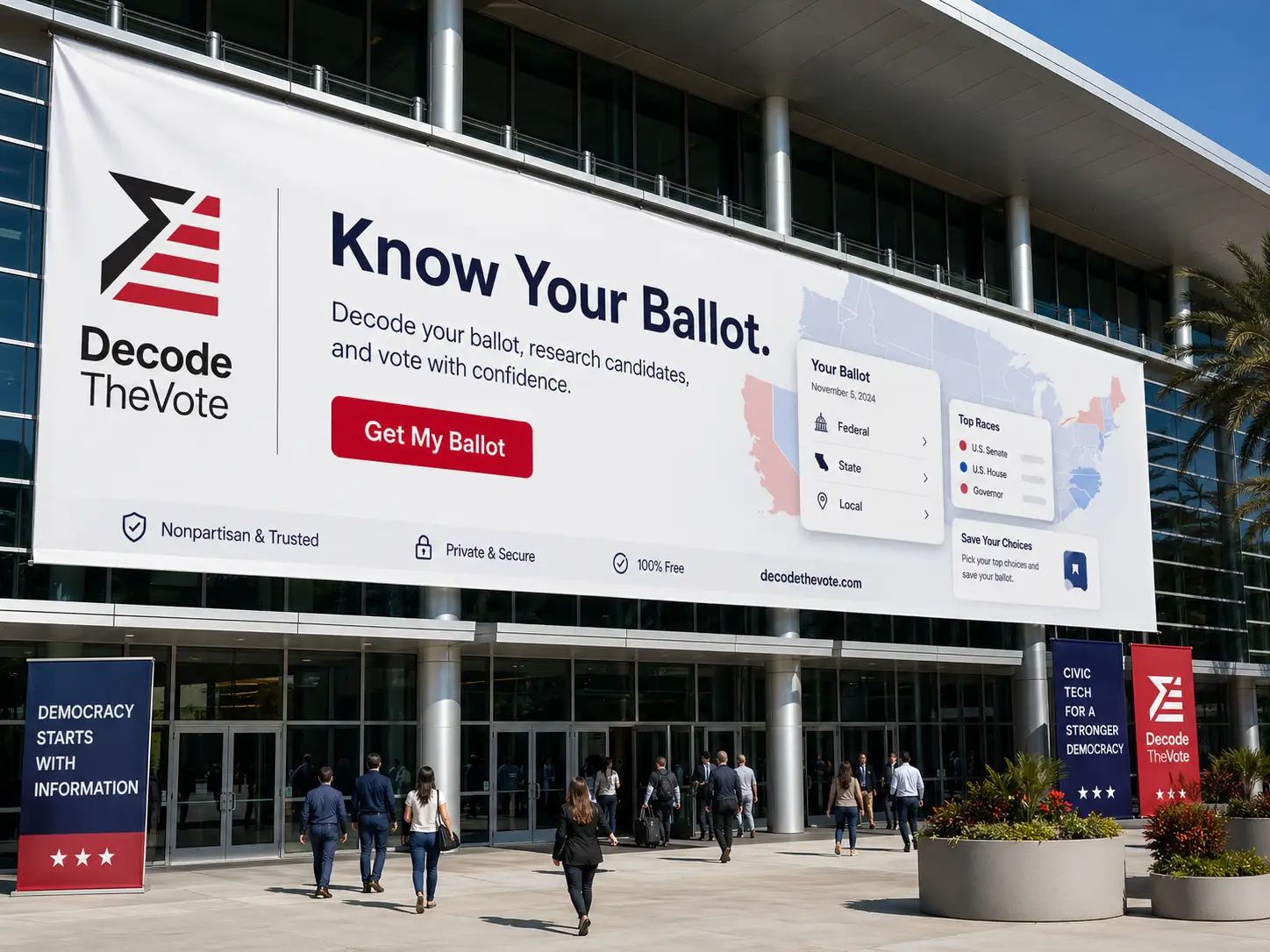
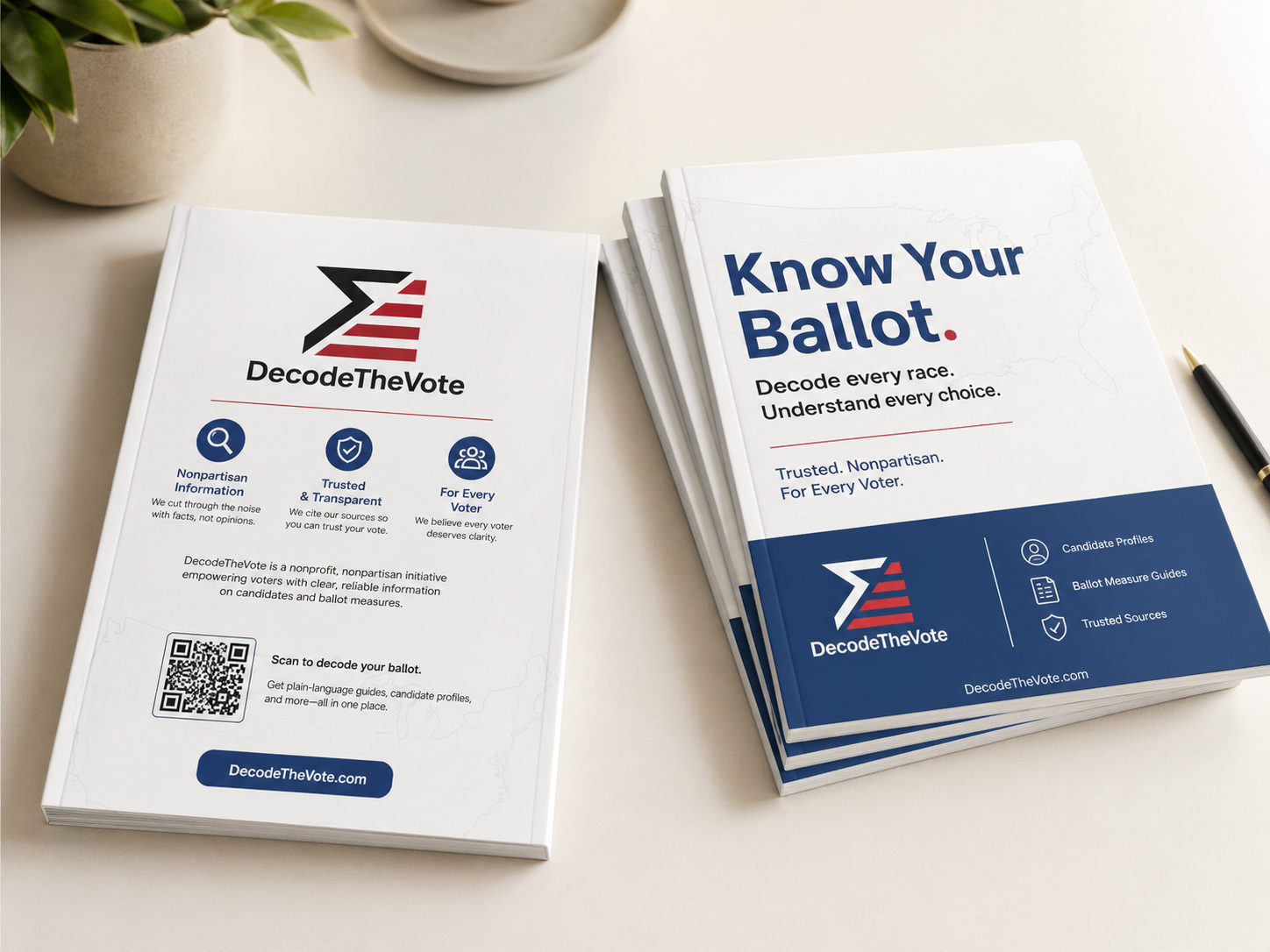
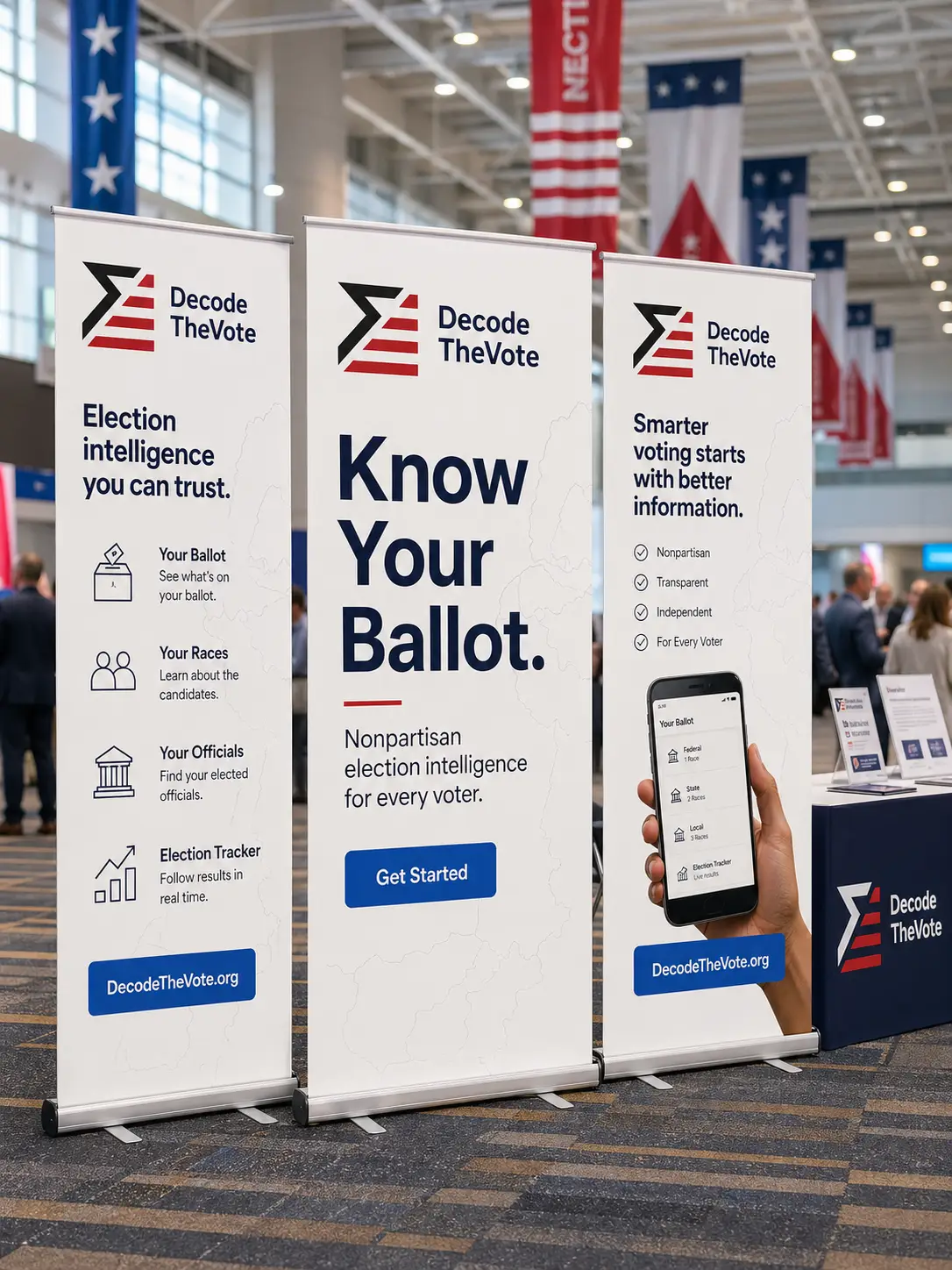
Voting should be the easiest civic act there is. You show up, you choose, you leave. But for most Americans, the part before showing up, actually figuring out who and what is on your ballot, what those candidates have actually done, what that ballot measure actually means, has become an exhausting exercise in navigating partisan spin, confusing legalese, and an internet full of content designed to persuade rather than inform. DecodetheVote.com was built to fix that. It is a free, nonpartisan voter intelligence platform that pulls real data from government sources, runs it through two independent AI models that check each other’s work, and delivers plain-English candidate analysis, transparent scoring, and a personalized ballot guide to any voter in the country. No agenda. No recommendation. No partisan filter. Just the facts, shown clearly, so you can make up your own mind.
Results
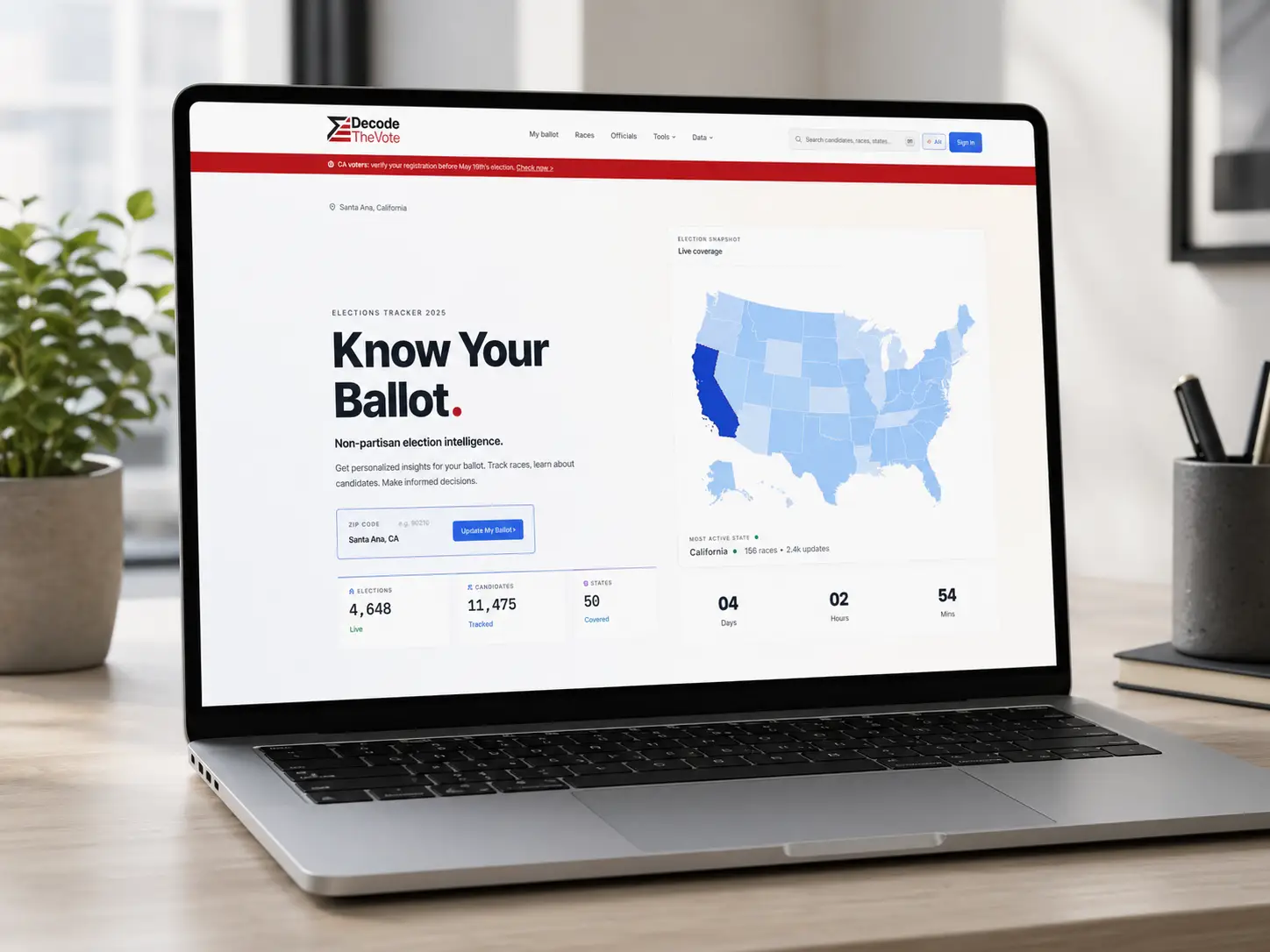
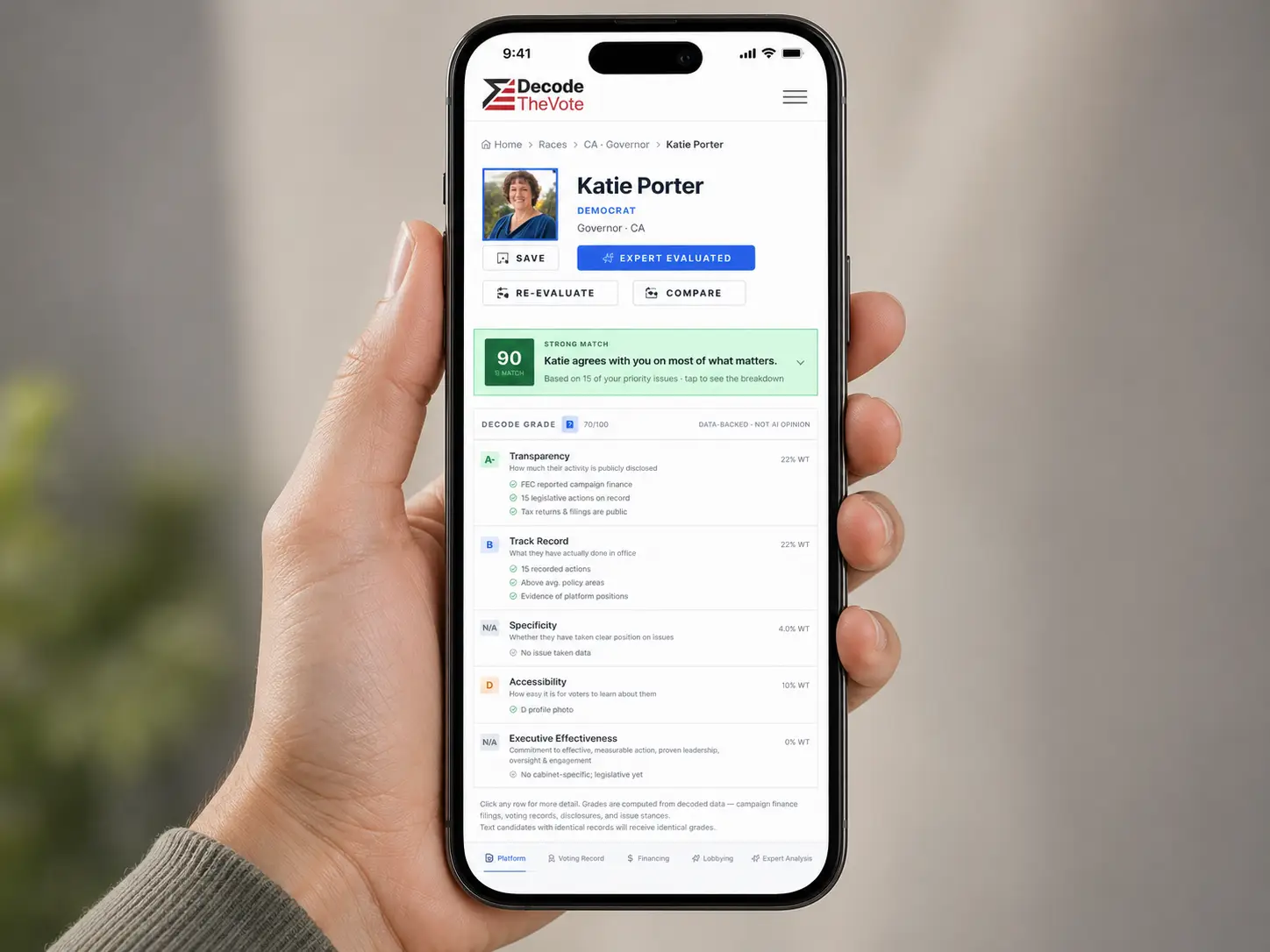
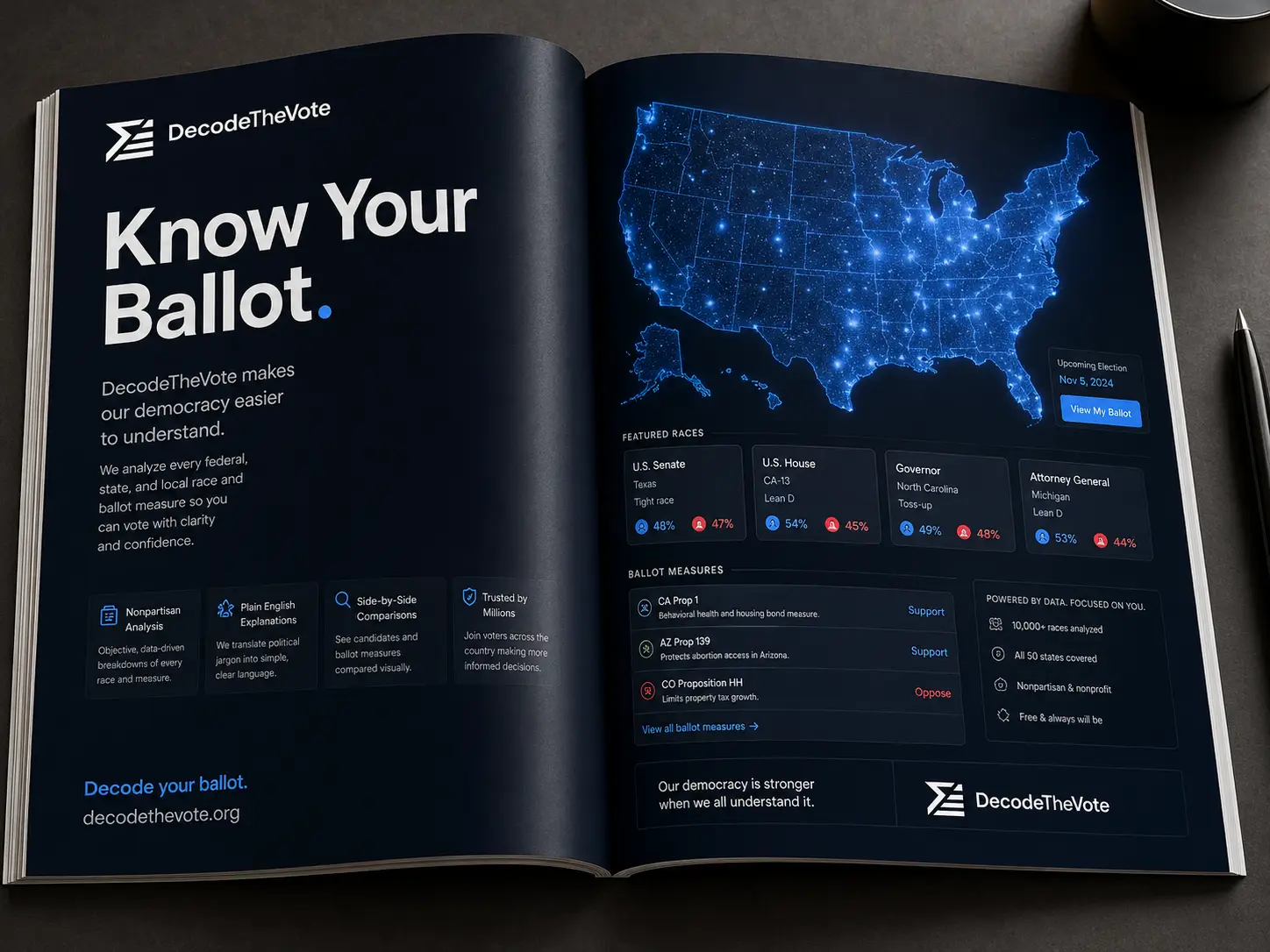
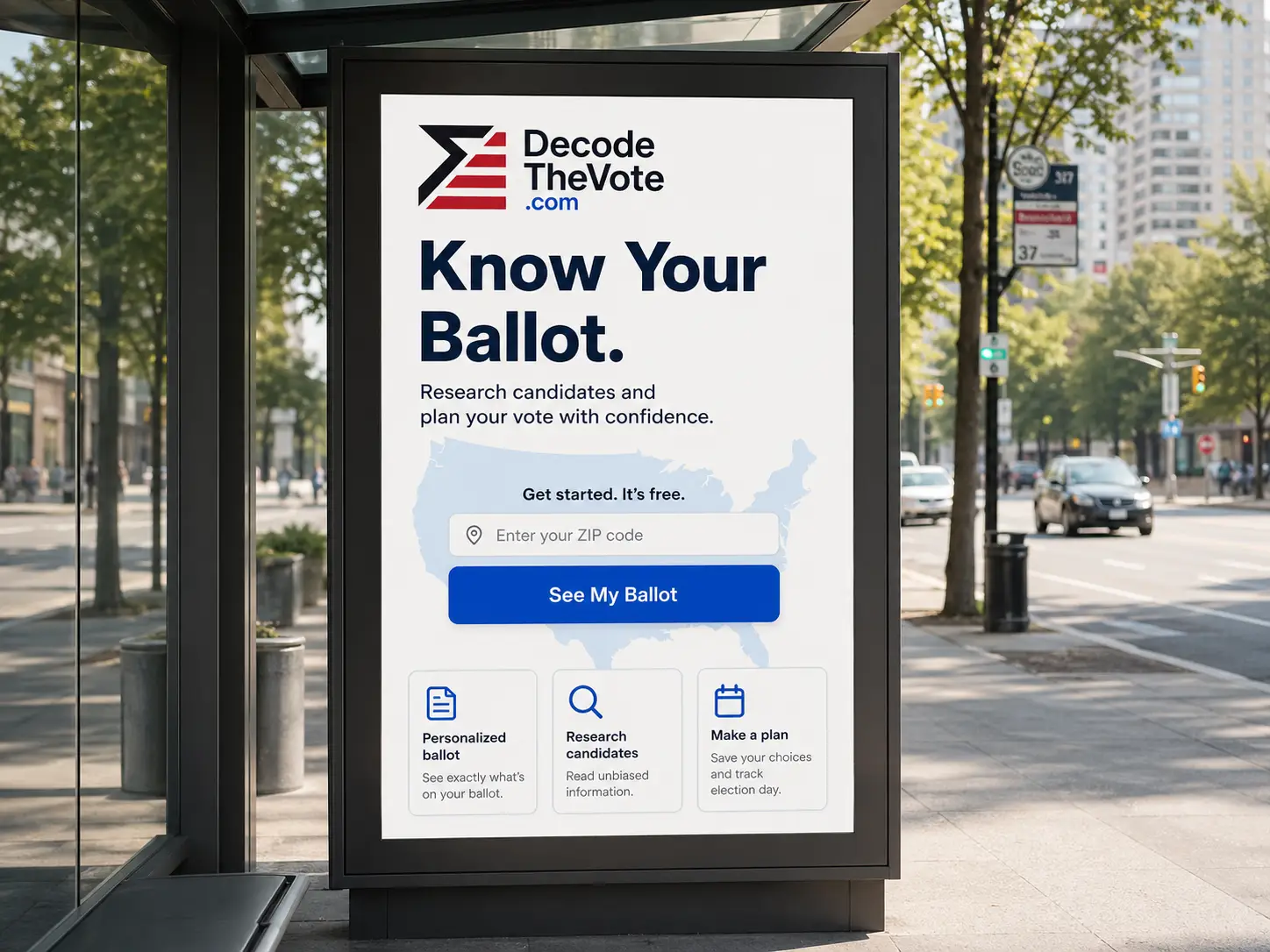
The platform covers federal and state elections across all 50 states, with local races expanding continuously. Enter a street address and get the exact ballot for that location. Every candidate comes with a Decode Grade built from five verifiable data components: voting record, transparency, policy specificity, accessibility, and effectiveness. Two candidates with identical records get identical grades. No opinion enters the equation. Voters can also set their own issue priorities and receive a personal alignment percentage showing how closely each candidate's record matches what they care about. We calculate the match. We never tell anyone who to vote for. The platform also includes live campaign finance data, a bills tracker, election results, voter registration check, polling place finder, a downloadable voter guide PDF, a built-in polling feature, curated trusted journalism, and a personalized state newsletter at whatever frequency works for you.
How it actually works
Before any AI runs, each candidate profile is built from verified government records: FEC filings, official voting histories, campaign finance disclosures, authoritative ballot text. Two independent AI models then analyze the same data simultaneously without seeing each other’s output. Where they agree, the finding is strong. Where they disagree, both perspectives are shown. Nothing is hidden and nothing is invented. The full methodology is publicly published, versioned, and updated every time something substantive changes.
The bigger picture
Every voter interaction builds something that hasn’t existed at this scale before: structured, consent-based civic data. Issue priorities. Alignment patterns by geography and demographic. Real-time polling signals on specific races. The tools currently serving the political data market are fragmented, expensive, and frequently partisan. DecodetheVote is building the neutral infrastructure underneath all of them, in public, while delivering a service voters actually need.
What you're doing really should be the standard, and needs to be. In the spirit of Buckminster Fuller, you're not trying to change things by fighting the existing reality. You're building a “new model” that will make the “old model obsolete.” An objective evaluation of solutions is critical for better solutions to seep into governance and erode politically motivated obstacles to better solutions.
Where it’s going
Full local coverage is the primary goal: city council, school boards, judicial elections, and ballot measures at every level. A “Request an Election” feature lets voters flag races not yet covered. Additional language support, deeper state legislative data, and an API for civic organizations and local news are all on the roadmap. The November 2026 midterms are the first major deployment milestone. Everything being built is designed to still be growing long after election day.